Planning AI Adoption: What to Get Right Before You Start
Interest in AI is rarely the problem. Most SME leaders are already convinced that Microsoft Copilot, or AI more broadly, has something to offer their business. The problem is what happens next. Licences get purchased, a pilot team is nominated, a launch email goes out, and six months later, usage has flatlined and nobody can say with confidence what the investment actually delivered.
This isn't a technology failure. It's a planning failure. AI adoption succeeds or stalls based on decisions made before a single licence is switched on, and most of those decisions get skipped in the rush to “just get started.” Planning properly first is what separates AI adoption that sticks from AI adoption that quietly fades into unused seats.
Why Good Intentions Aren't a Plan
Ask most leadership teams what they want from AI and you'll get an enthusiastic but vague answer: efficiency, competitive advantage, freeing up staff time. Ask them how they'll know it's working, or what their organisation's current starting point actually is, and the answers thin out quickly.
That gap matters. Without a clear baseline, it's impossible to build a plan that's actually tailored to your organisation, rather than a generic rollout copied from a vendor brochure. And without a way to measure progress, leadership has no way to prove impact to the board, which is exactly the position many organisations find themselves in a year after go-live, unable to answer straightforward questions about return on investment.
This is precisely the gap RorAssess was built to close: a structured assessment that replaces assumption with evidence, before any AI investment is made.
Start With the Technology, Honestly
The first question any AI adoption plan needs to answer isn't “which AI tool should we buy”, it's “is our environment actually ready to support one.”
Microsoft Copilot and most AI tools inherit the state of the Microsoft 365 environment they sit on top of. If licensing, security controls, SharePoint structure, Teams adoption, data governance, and identity management aren't in good shape, AI tools built on top of them will underperform or introduce risk, regardless of how good the tools themselves are.
This is the purpose of RorAssess's Technical Readiness Assessment. It looks across the full technical picture, including licensing and eligibility, security and compliance controls, document management maturity, Teams adoption, data governance and information protection, identity and access management, and any automation or AI capability already in place, and produces a Technical Readiness Report with a clear risk and gap analysis, priority recommendations, and quick-win opportunities you can act on immediately. If the environment isn't ready, you find out before you've spent money on licences, not after.
Then Ask Whether Your People Are Ready
Even a perfectly configured technical environment delivers nothing if the people using it lack the confidence or skills to do so.
This is the piece organisations consistently underestimate. Rolling out Copilot to every desktop does not, by itself, change how people work; adoption depends on awareness, confidence, and a genuine understanding of what the tool can and can't do.
RorAssess's AI Skills & Maturity Assessment exists to answer this question with evidence rather than guesswork. It benchmarks AI awareness and confidence across your workforce, current usage of Copilot and other AI tools, governance awareness around data protection and policy, leadership readiness, and departmental support, then places your organisation on a five-level maturity model, from Aware through to Optimising. The output is an AI Skills Benchmark Report complete with departmental heatmaps, a skills gap analysis, identification of likely AI champions within your teams, and a training requirements analysis. It tells you not just where the gaps are, but where to focus first.
Five-level maturity model
From Aware through to Optimising: where your organisation sits today, and what progress looks like.
L1
Aware
L2
Exploring
L3
Experimenting
L4
Adopting
L5
Optimising
Bringing the Two Together
Technology readiness and workforce readiness are usually assessed separately, if they're assessed at all, and that's exactly why so many AI rollouts miss the mark. A technically sound environment with an unprepared workforce leads to expensive licences nobody uses. A confident, enthusiastic workforce sitting on a technically shaky environment leads to governance problems and inconsistent results.
The value comes from combining both pictures into a single, coherent plan. That's what happens at the third stage of RorAssess: your Technical Readiness findings and your AI Skills & Maturity findings are brought together into one AI Adoption Roadmap: a tailored plan with clear priorities, a realistic pathway, and KPIs your leadership team can actually track against. Rather than two disconnected reports sitting in separate folders, you get one plan that tells you what to fix, what to teach, and in what order, with a way to measure whether it's working.
What This Looks Like in Practice
For most organisations, this plays out in three stages:
Stage 1
Technical Readiness
Assess the Microsoft 365 environment and flag risks, gaps, and quick wins before anything else is decided.
Stage 2
AI Skills & Maturity
Benchmark awareness, confidence, and usage across the workforce, and establish where the organisation sits on the maturity model.
Stage 3
AI Adoption Roadmap
Combine both findings into a single tailored plan, with clear priorities, pathways, and measurable KPIs.
Organisations can run either assessment independently if they already have a strong view of one side of the picture, or run both together for a complete, evidence-based starting point. Either way, the output is the same: a plan built on what's actually true about your organisation, not what a generic rollout assumes.
Plan First, Then Move Fast
None of this is about slowing AI adoption down. It's about making sure the pace you move at afterwards is sustainable, because the plan underneath it reflects reality. Organisations that assess before they invest tend to move through adoption faster overall, because they aren't stopping halfway through to fix a governance issue that should have been caught earlier, or retraining a team that was never given the confidence to use the tools in the first place.
The organisations getting genuine value from Copilot and AI right now are rarely the ones that moved quickest out of the gate. They're the ones that knew exactly where they were starting from.
RorAssess is RorTech's structured readiness assessment for AI, Microsoft Copilot, and broader digital transformation, combining a Technical Readiness Assessment and an AI Skills & Maturity Assessment into one clear AI Adoption Roadmap. It's also included as part of our Microsoft Copilot Adoption Programme, at Enable and Optimise tier. To find out where your organisation stands, get in touch with our team to discuss RorAssess.
Discuss RorAssessMore News & Insights
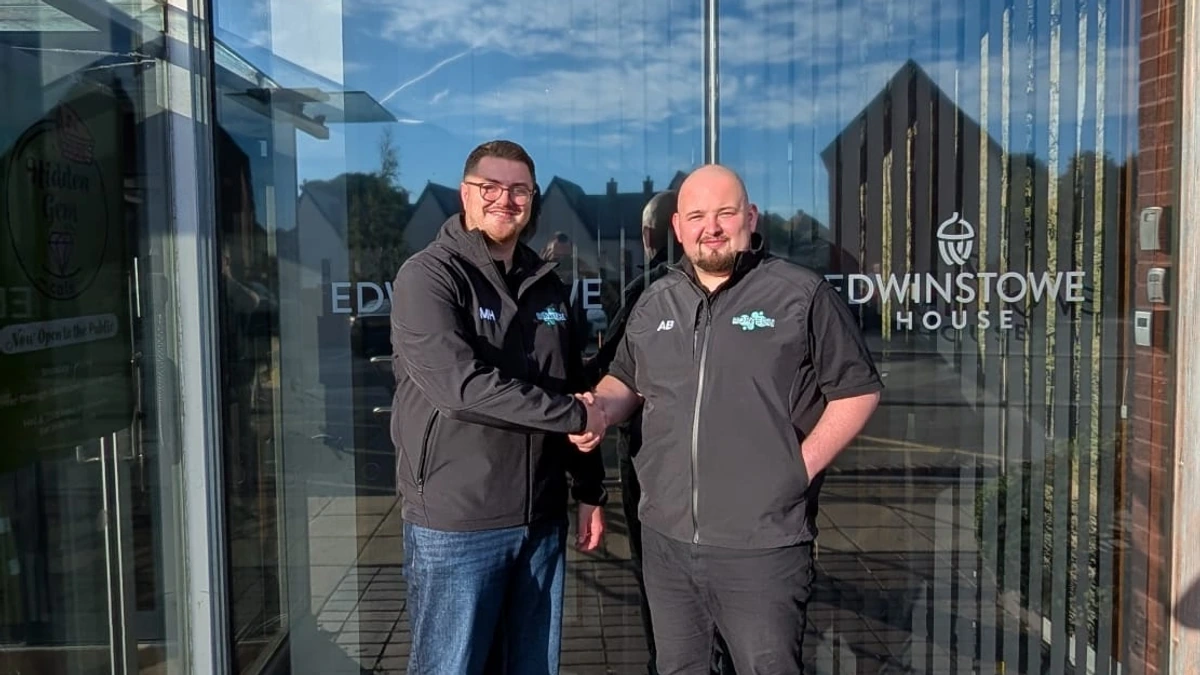
RorTech Continues Growth with Appointment of Commercial Executive Mason Homer
RorTech Partners welcomes Mason Homer as Commercial Executive, supporting the company's continued growth across the UK in AI, Microsoft Copilot and automation.
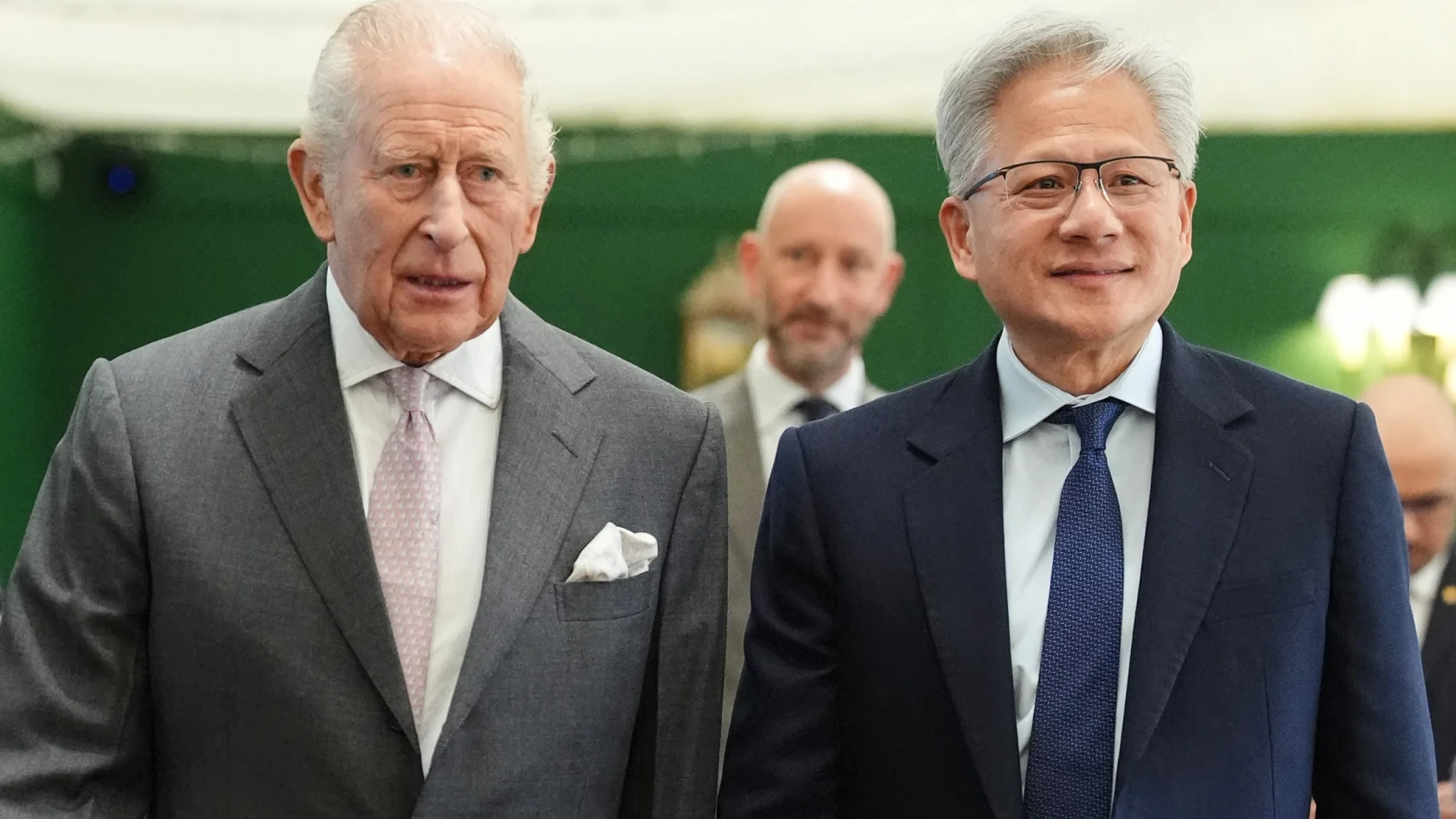
RorTech Perspective: AI Isn't the Threat. Failing to Govern It Is.
King Charles III's AI gathering in Scotland and the global Silicon Race make the same point: AI isn't the threat. Failing to govern it is.
RorTech Partners and Tilio Announce New Partnership Spanning AI Adoption and AI Search Visibility
Edwinstowe, Nottinghamshire and Exeter, Devon – RorTech Partners Ltd, the Nottinghamshire-based AI, Microsoft Copilot and technology consultancy, and Tilio, the Devon-based…
Insight is only useful when it becomes action.
Our team works directly with SME leaders to turn AI thinking into practical, measurable outcomes, specific to your business, not a textbook.